
Nutrition and Mental Health
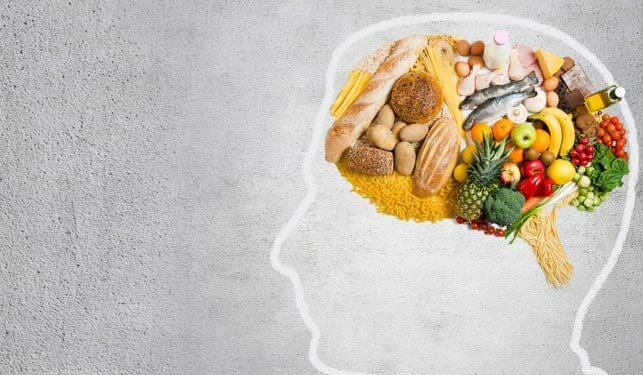
Food and Depression
A post by Eva Selhub MD on Harvard Health provides a summary of the latest research findings on foods and mental health. Here is a summary of what the findings mean for us.
The gut-brain link
- Serotonin is a neurotransmitter that helps regulate sleep, appetite, moods, and pain perception.
- About 95% of your serotonin is produced in your gastrointestinal tract
- The production of neurotransmitters like serotonin is highly influenced by the billions of “good” bacteria that make up your intestinal microbiome.
- These bacteria play an essential role in your health. They protect the lining of your intestines and ensure they provide a strong barrier against toxins and “bad” bacteria; they limit inflammation; they improve how well you absorb nutrients from your food; and they activate neural pathways that travel directly between the gut and the brain.
What Does the Research Say About Diet and Mood?
 Systematic reviews and meta-analyses indicate:
- High intakes of fruit, vegetables, fish, and whole grains may be associated with a reduced depression risk. (See more)
- Adherence to a Mediterranean diet may contribute to the prevention of a series of brain diseases; this may be of special value given the aging of Western societies. (See more)
What Should I Eat to Help Treat Depression and Anxiety?
Dr. Selhub summarizes preliminary research findings that suggest the following foods can help reduce the risk of depression and anxiety:
- Vegetables
- Fruits
- Unprocessed grains
- Fish and seafood
- Modest amounts of lean meats and dairy
- Fermented foods
Pay attention to how different foods make you feel
 Dr. Selhub suggests trying the following diet for a few weeks and track how you feel:
- DON’T EAT processed foods and sugar.
- DO EAT fermented foods like kimchi, miso, sauerkraut, pickles, or kombucha. Maybe try going dairy-free. Maybe try going grain-free. See how you feel. Then slowly introduce foods back into your diet, one by one, and see how you feel.
Learn more about nutritional psychiatry at Harvard Health.
Bon Appetit!